
Pocket Watch Collecting for Beginners: Start Your Collection Right
Why collect pocket watches
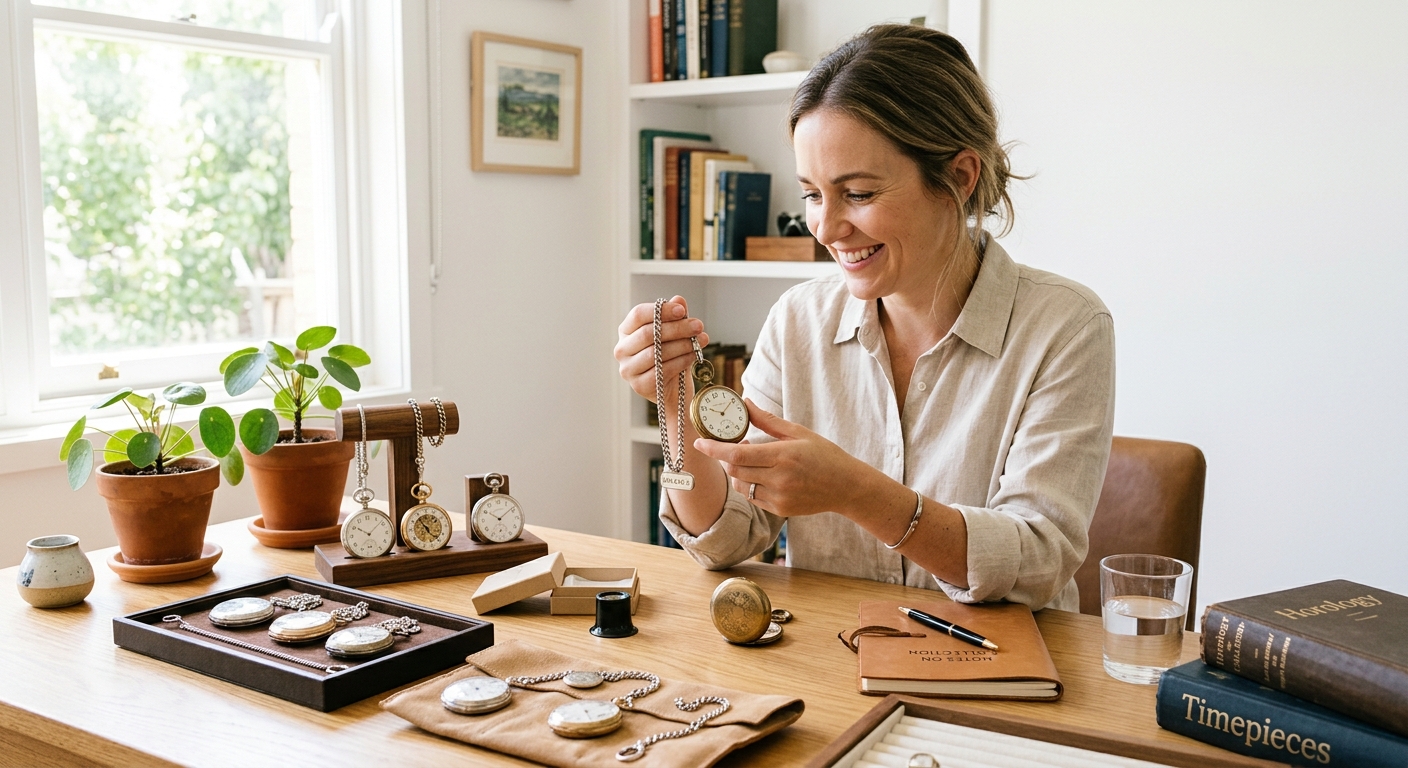
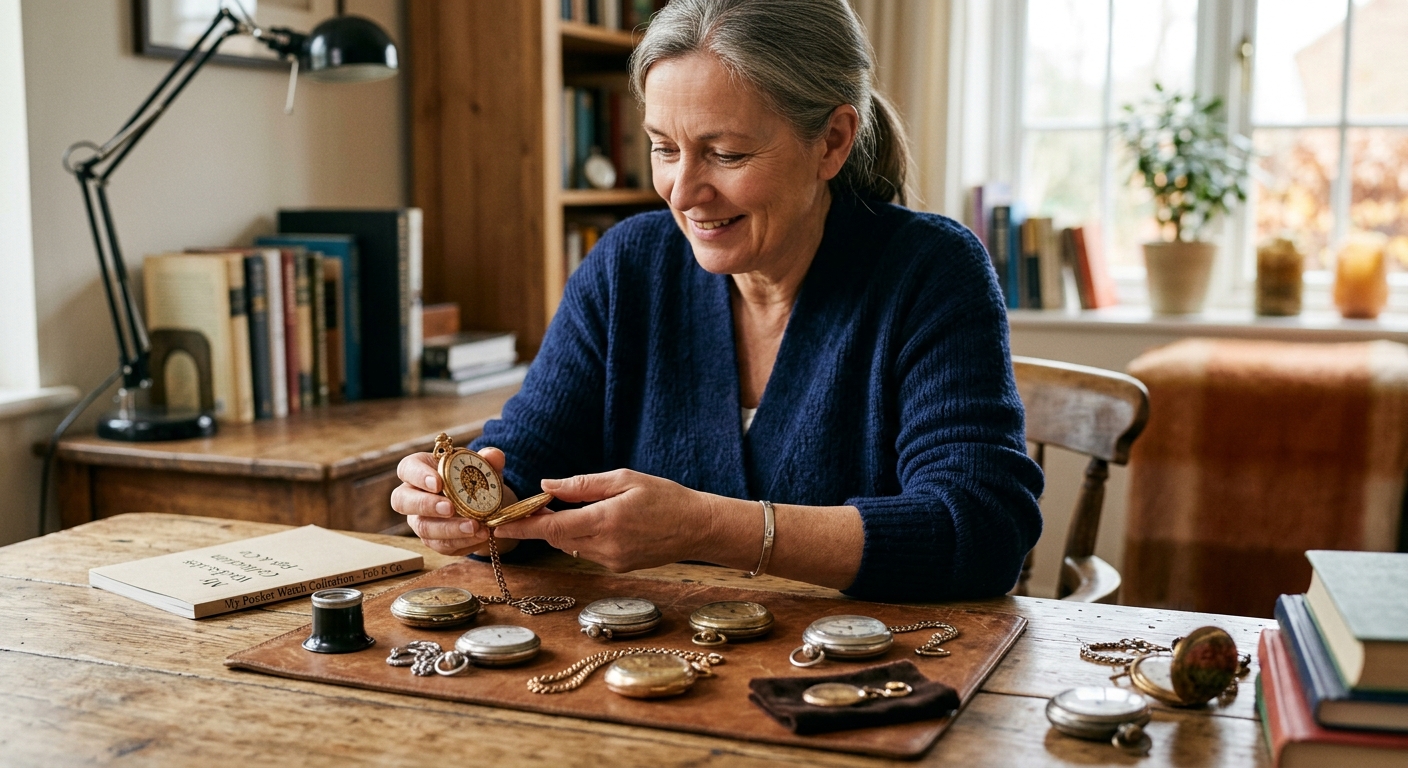
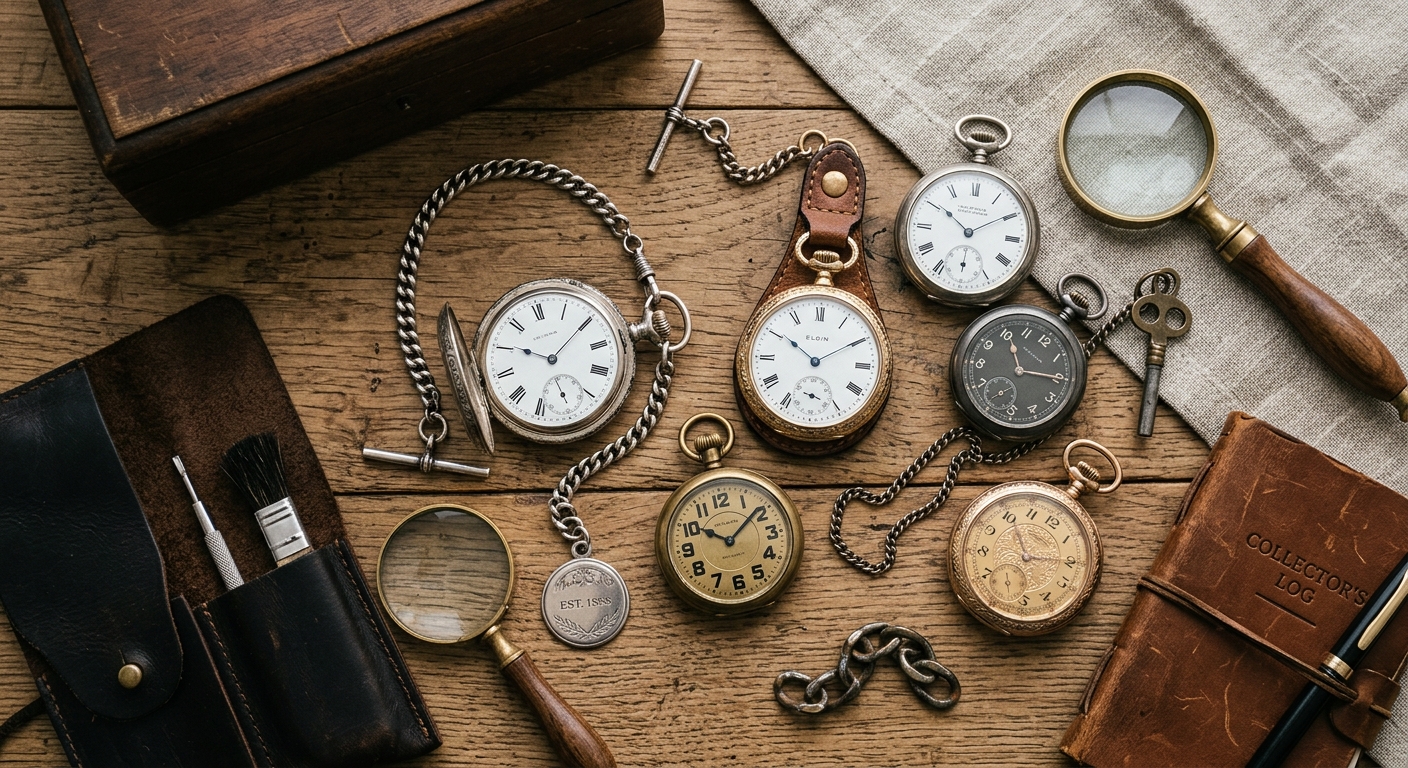
Pocket watch collecting is a great hobby because it combines history, design, and the satisfaction of owning something that feels both beautiful and useful. Unlike many modern collectibles, pocket watches have a very tangible presence. They feel solid in the hand, have visible craftsmanship, and often carry a story that goes back decades or even generations.
For beginners in Australia, that makes them especially appealing. You do not need to be an expert to appreciate a pocket watch. You only need to enjoy objects that have character. A pocket watch collection can be built around style, era, condition, maker, material, or even personal meaning. That flexibility is part of the fun.
They also sit in a nice space between collecting and gifting. Pocket watches can be displayed, worn, or given for special occasions, which gives them more life than many other collectables. If you appreciate classic accessories, they sit naturally alongside cufflinks, hip flasks, and other timeless pieces.
If you’re starting the search, browse the homepage, then move into the skeleton pocket watches page and our pocket watch chains guide to compare styles, presentation ideas, and gift-ready options side by side. The about us page is also useful if you want a quick sense of the brand before narrowing down the first piece.
For wider collecting and style context, GQ and Vogue both show how classic accessories can feel relevant when they are chosen with intention.
How to start right
The smartest way to start collecting is to decide what kind of collection you want. Some people collect by style, others by maker, and some focus on a particular era or material. There is no single correct approach. The right one is the one that keeps you interested and helps you make better decisions.
As a beginner, the biggest mistake is buying too quickly. It is tempting to chase unusual pieces, but the best collections usually grow from a few thoughtful purchases rather than a flood of random ones. Start with pieces you genuinely like, not just pieces you think are rare.
It also helps to set a budget early. That does not mean you need to spend a lot on your first watch. It just means you should know whether you want a simple starter piece, a working watch, or a more decorative example. Budget discipline helps keep the collection focused.
Another useful starting point is to learn the basic terminology. Understanding things like case finish, dial type, chain style, and overall condition will help you avoid confusion. The more fluent you become, the easier it is to spot pieces that are worth your attention.
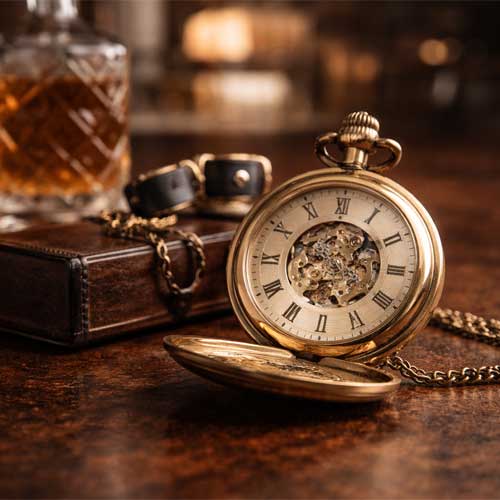
If you want to compare styles, the skeleton pocket watches page is the easiest place to begin. Our pocket watch chains guide can also help you think through what kinds of classic accessories you enjoy most. The homepage is a good broad overview if you want to step back and look at the range.
For style and collecting context, Esquire and Harper’s Bazaar both show how classic timepieces can remain compelling across different style preferences.
What to look for
Condition is one of the most important things to look at when you are collecting pocket watches. A watch in excellent cosmetic condition may be more satisfying to own, but mechanical condition matters just as much if the watch is meant to run. Look carefully at the case, dial, crystal, and movement if possible. Small scratches are normal, but heavy damage or poor repair work should make you pause.
The case material also matters. Silver, gold, gold-filled, nickel, and stainless steel all have different looks and levels of wear. Some collectors prefer precious-metal cases because they feel more traditional or more collectible. Others like steel or base-metal cases because they are more affordable and easier to start with.
Maker and era are another big part of the appeal. Some collectors love famous names, while others enjoy anonymous but beautifully made watches. You do not need a famous brand to own a good pocket watch. Many less-known watches still have excellent craftsmanship and strong visual character.
It is also worth looking at the dial. Clean, legible dials are often more satisfying than heavily damaged ones. Hairlines, chips, and restoration work can affect the feel of the piece, so decide early whether you prefer originality, usability, or a balance of the two.
If you want to compare options, our pocket watch chains guide and the skeleton pocket watches page are the best places to review the details. The about us page is also useful if you want a quick brand refresher before buying.
For broader watch context, GQ and Martha Stewart Weddings both show how classic timepieces can feel timeless when the design and presentation are right.
Styles and era
Pocket watches come in a wide range of styles, and the era often shapes the feel of the piece. Victorian and Edwardian watches often have a more ornate presence, with decorative cases and classic numerals. Mid-century watches may feel cleaner and more restrained. Later models can be simpler and more functional. Each style tells a different story.
If you are new to collecting, it can help to start with the styles you naturally like rather than chasing the most expensive era. Some people prefer ornate detail, while others prefer a cleaner, more modern-looking face. Both approaches work. The important thing is building a collection that feels coherent to you.
Chain style is another part of the look. A watch with a matching chain, simple fob, or neat clip can feel more complete than one that is missing its context. If you like the idea of wearing the watch, how it hangs or attaches is just as important as the watch itself.
You should also think about whether you want your collection to be wearable or display-focused. Some collectors want watches they can actually use. Others want beautiful objects that stay in a box or cabinet. Neither path is wrong, but it helps to know your preference early so you can make better purchases.
If you are comparing styles, the skeleton pocket watches page is a great place to explore the range. Our pocket watch chains guide can also help you think through which classic accessories suit your taste. The homepage is useful if you want a broader overview before narrowing things down.
For wider style inspiration, GQ and Vogue both show how classic accessories can remain relevant when they are worn with confidence.
Care and storage
Good care is what keeps a collection feeling valuable over time. Pocket watches do not need complicated maintenance, but they do need sensible storage. Keep them dry, clean, and away from unnecessary knocks. A lined box, soft pouch, or dedicated drawer can make a big difference in preserving condition.
Cleaning should always be gentle. A soft cloth is usually enough for cases and chains, while the dial and movement should be treated with more care. If a watch runs, make sure you understand whether it needs regular winding or periodic servicing. The better you understand the watch, the better you can protect it.
Temperature and moisture matter too. A stable environment is better than a damp garage or a cluttered desk drawer. Collectibles tend to age more gracefully when they are stored consistently. That means a little care now can make a big difference later.
If a watch has sentimental value, storage becomes even more important. A pocket watch tied to family history or a special occasion deserves the kind of care you would give any meaningful object. Collecting is not just about accumulation; it is about stewardship.
If you want to compare presentation and storage-friendly options, our pocket watch chains guide and the skeleton pocket watches page are the best places to review the details. The about us page is also useful if you want a quick brand refresher.
For broader collecting and style guidance, Esquire and Martha Stewart Weddings both show how classic accessories stay compelling when they are looked after properly.
Buying tips for beginners
One of the best beginner tips is to buy fewer, better pieces. It is tempting to collect quickly, but a slow approach usually leads to better decisions. When you give yourself time, you learn what you like and avoid filling a collection with items that do not really fit.
Buy from people or places you trust. Whether you are shopping online, at a market, or through an antique dealer, make sure the seller gives you enough detail to judge the watch properly. Good photos, clear descriptions, and honesty about condition are all helpful signs.
Do not be afraid to start modestly. A less expensive piece can still be a very satisfying first purchase if it teaches you about style, condition, and what matters to you as a collector. You do not need to begin with something rare or expensive to build a meaningful collection.
It also helps to know what you are not looking for. If you prefer original dials, do not get distracted by heavily restored pieces. If you want wearable watches, do not get lost in display-only examples. Clarity of purpose makes collecting much easier and much more rewarding.
If you’re ready to compare options, the skeleton pocket watches page and the homepage are the quickest ways to explore the range. Our pocket watch chains guide and the about us page are also useful if you want to keep the search grounded in classic accessory style.
For broader buying context, GQ and Vogue both reinforce the value of choosing pieces that feel right rather than just impressive.
FAQ
How do I start collecting pocket watches?
Start by deciding what kind of collection you want, then buy one or two pieces you genuinely like. Focus on condition, style, and what you want the collection to say about your taste.
What should I look for in a beginner pocket watch?
Look for a watch with a clean case, a readable dial, and a condition that matches your goals. If you want a wearable piece, make sure it runs well or at least presents well and feels complete.
Are pocket watches expensive to collect?
They can be, but they do not have to be. You can start with affordable pieces and build slowly, which is often the smartest way for beginners to learn what they like.
Should I focus on rare or common pocket watches?
As a beginner, it is usually better to focus on watches you genuinely enjoy rather than chasing rarity. Rare pieces can come later once you understand the market and your own taste better.