
Cufflinks 101: Styles, Fastenings and When to Wear Them
Why Cufflinks Matter
Buttons on a shirt cuff are cheap and quiet. Cufflinks are neither. That’s the whole point of them. A French cuff shirt is built without buttonholes for a reason, it’s a blank canvas that only works once you thread something through it, and what you thread through it says more about you than almost anything else you’re wearing.
We get asked a lot at fobandco.com.au whether cufflinks are still relevant when most blokes wear button cuffs day to day. Fair question. But every wedding, every black-tie dinner, every job interview where you’re wearing your one good suit, is a moment where a French cuff and a decent pair of links quietly do a lot of heavy lifting. It’s the same instinct that makes someone reach for one of our pocket watches instead of a plain wristwatch for a formal occasion. Small details, disproportionate effect.
There’s also a practical angle. A cufflink isn’t just decoration, it’s a mechanism. Get the fastening wrong and you’ll spend the whole night fiddling with a cuff that won’t sit flat, or worse, one that pops open during the speeches. Understanding the different types of cufflinks, both the visible design and the bit that actually holds the thing shut, means you buy something you’ll actually use rather than something that lives in a drawer.
Choosing the Right Cufflinks
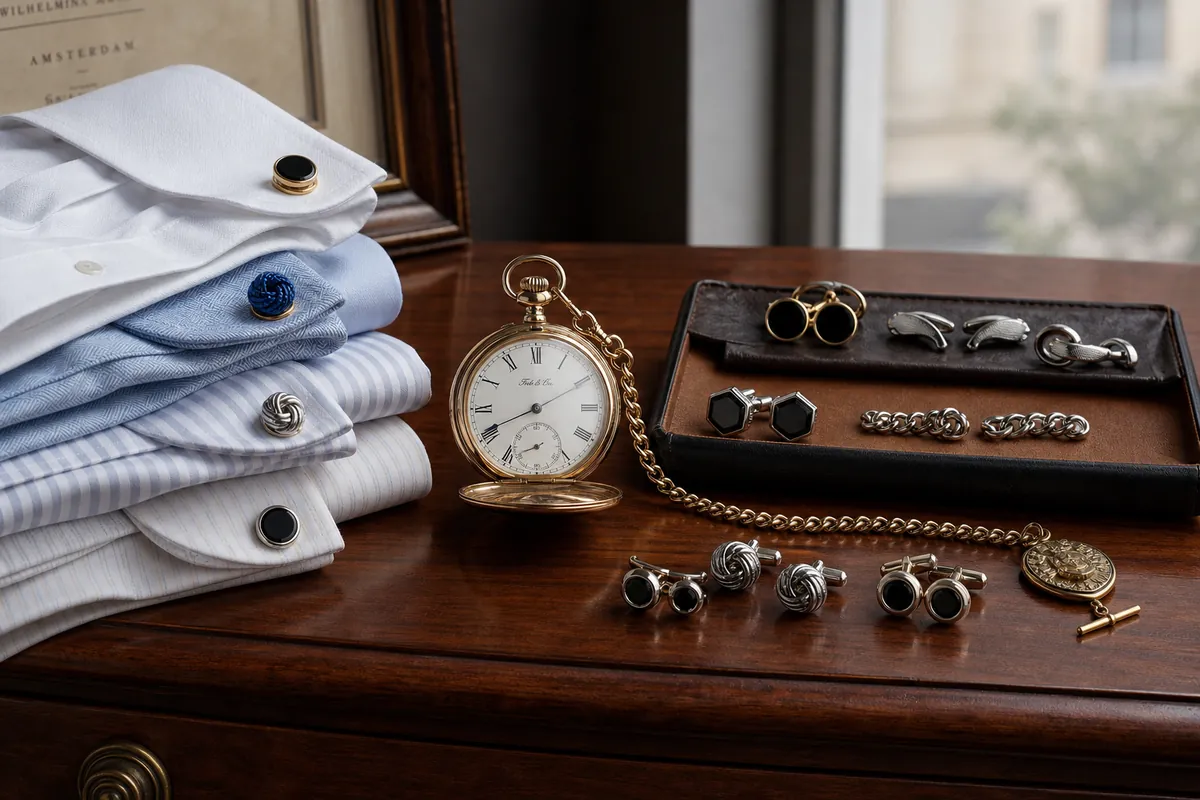
Start with the shirt, not the cufflink. There are two cuff styles that take links: the classic French cuff, which folds back on itself, and the single barrel cuff with a second buttonhole, which is less common but does exist. If your shirt doesn’t have a spare buttonhole lined up on the cuff, no cufflink in the world is going to help you.
Once you know the shirt works, think about three things: how often you’ll wear them, how formal the occasions are, and whether you want them to say something about you (a hobby, a set of initials, a nod to your trade) or just sit quietly and do the job. Blokes buying for a wedding party usually want something that reads as a set, matching links across the groom and groomsmen, sometimes engraved with a date or initials, which is exactly the same logic that drives people to buy matching engravable pocket watches for the same occasion. Consistency across a wedding party photographs well and it’s a nice thing to have everyone holding onto afterwards.
If you’re buying for yourself and you already own a few, be honest about what’s missing. Most men who wear cufflinks regularly end up with one plain, dark, formal pair for funerals and job interviews, one dressier pair in silver or gold tones for weddings and dinners, and then whatever novelty or personality pieces they’ve picked up along the way. Fill the gap you actually have rather than buying a fourth pair of the same thing.
Top Cufflink Styles
Cufflinks split two ways: the visible design up top, and the fastening mechanism underneath that actually does the work. You need to think about both.
The Fastenings
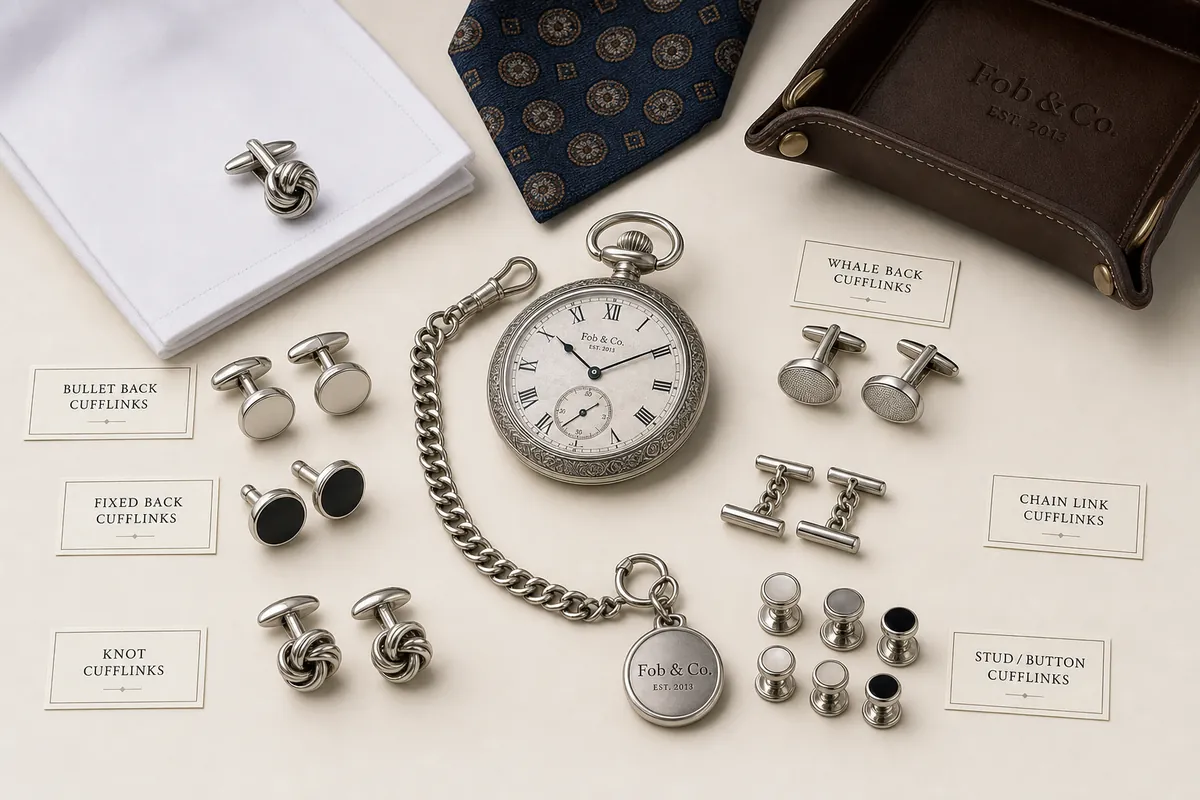
The whale-back (also called bullet-back) is the most common closure you’ll find on mid-range and higher cufflinks. A small oval toggle flips flat to slide through the buttonhole, then rotates upright to lock in place. Quick, secure, and it’s what most people picture when they think “cufflink.”
Chain-link cufflinks use two connected faces joined by a short chain or bar, threaded through both layers of the cuff like a button. They tend to sit a little looser and swing slightly, which some blokes like and others find fiddly to line up under a jacket sleeve.
Ball-return fastenings use a spring-loaded post with a small ball on the end that you push through the cuff and it locks in place automatically, similar in feel to a stud on a dress shirt. Fixed-backing or “paddle” style cufflinks skip moving parts altogether, useful for chunkier novelty designs or branded pieces where the front face is heavy and needs a solid post rather than a swinging toggle.
The Designs
On the design side you’ve got classic knots (silk or metal, a nod to old naval rope work), simple metal ovals or rounds in silver, gold or gunmetal tones, mother-of-pearl or onyx inlay pieces for black tie, and novelty cufflinks covering everything from footy team logos to tiny tools for tradies. Engraved initials sit in their own category and are consistently one of the most requested styles for groomsmen gifts, again for the same reason people engrave classique pocket watches for the same purpose. It turns an accessory into a keepsake.
Before You Buy
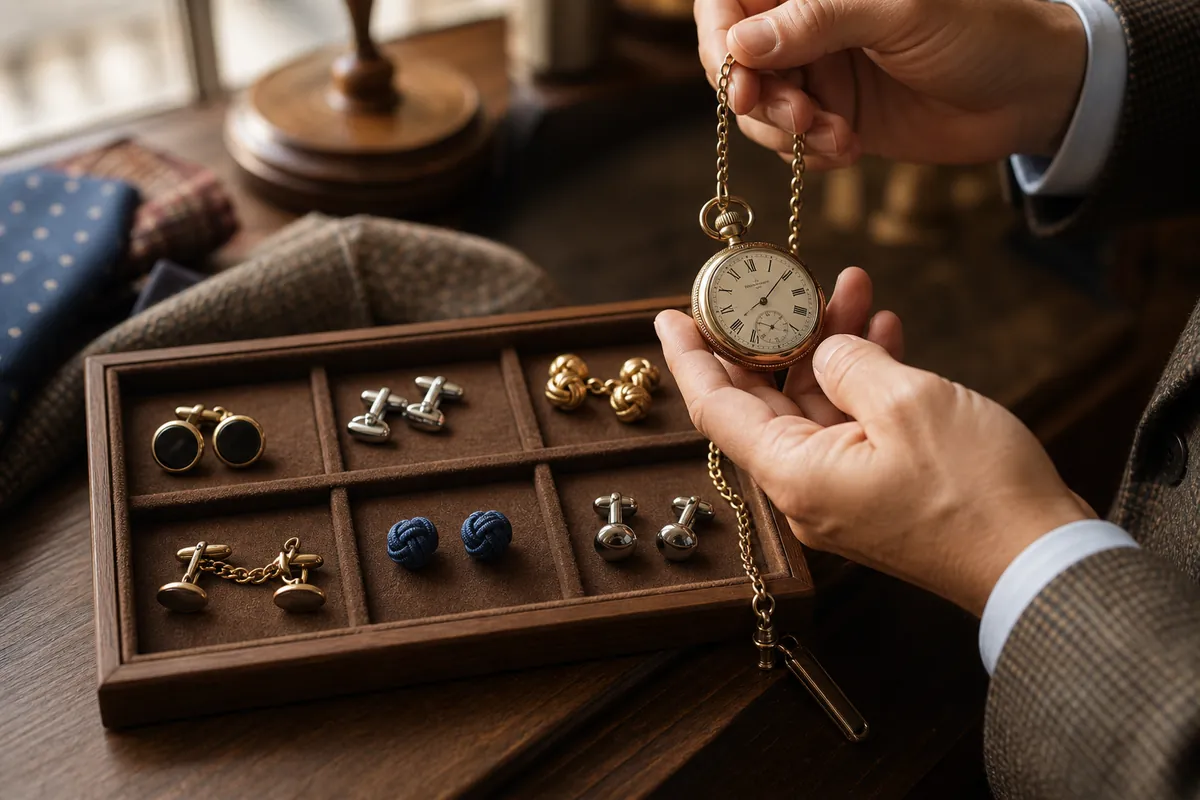
Weight and size matter more than people expect. A cufflink that’s too large or heavy will drag the cuff down on one side and look sloppy in photos, especially once you’ve had your arm bent holding a drink for two hours at a reception. Mid-size, roughly the diameter of a ten cent coin, suits most wrists and most shirt weights.
Metal finish should match whatever else is on your wrist and hand, your watch case, your belt buckle, your wedding ring. Mixing warm gold tones with cool silver in the same outfit is one of those things that photographs worse than it looks in person, so pick a lane. If you’re building a full formal accessory set, coordinate it the way you’d coordinate a gold pocket watch with a matching chain and fob, rather than mixing metals across pieces.
Budget is worth a straight answer rather than a vague one. A decent pair of everyday cufflinks in stainless or silver-plate sits well under a hundred dollars. Solid silver or gold-plated pieces with proper engraving run higher, and genuine gold sets are a real investment piece, not an impulse buy. If you’re outfitting a wedding party of six or seven groomsmen, check a clearance range before you commit to full price on every set, the savings across a group order add up fast.
Also check what it comes in. A cufflink presented in a proper box is a genuinely nicer gift-giving experience than one that turns up in a plastic bag, and it matters more than people admit when you’re handing them to a groomsman on the morning of a wedding.
Expert Tips
Buy the fastening for the job, not just the look. If you’re giving cufflinks to someone who isn’t used to wearing French cuffs, a whale-back is the most forgiving mechanism, it’s obvious how it works even if you’ve never used one before. Chain-link pieces are lovely but they’re a bad first pair for someone who’s never worn cufflinks in their life.
Try before the day, not on the day. Have the groom or the wearer actually thread the cufflinks through their own shirt cuff at least once before the wedding morning, standing in front of a mirror with a jacket on. It takes ninety seconds and it means nobody’s fumbling with an unfamiliar fastening while a photographer waits.
Pair, don’t clash. If the outfit already includes a full hunter pocket watch and chain, keep the cufflinks understated so the watch stays the star of the accessory game. Two loud statement pieces on the same outfit compete with each other rather than working together.
Store them properly between wears. A shallow tray or the original box keeps pairs together and keeps the fastenings from scratching against other jewellery. Losing one half of a good pair is one of the more common regrets we hear about, and it’s entirely avoidable with a five dollar tray.
For a broader look at coordinating cufflinks with other formalwear accessories, our accessories range is worth a browse alongside whatever cufflinks you’re considering, particularly if you’re kitting out a full wedding party rather than buying for yourself.
Frequently Asked Questions
What is the best type of cufflinks?
For most men, a whale-back (bullet-back) fastening in silver or gold tone is the safest all-rounder, it’s secure, easy to use, and suits everything from a job interview to a wedding. If you want something with more personality, engraved initial cufflinks are the most requested style for gifts because they double as a keepsake.
How do I know which type of cufflinks is right for me?
Work backwards from how often you’ll wear them and how formal the occasions are. Someone wearing them once a year for weddings can go dressier and less practical, while someone wearing them regularly for work should prioritise a fastening that’s fast and forgiving, like a whale-back.
What should I look for when buying cufflinks?
Check the fastening mechanism actually suits the wearer’s experience level, match the metal finish to whatever else they’ll be wearing on the day, and don’t oversize the piece, a cufflink that’s too heavy drags the cuff down. A proper presentation box is worth paying a little extra for if it’s a gift.
Are there budget-friendly cufflinks options?
Yes, stainless steel and silver-plate cufflinks with a simple whale-back fastening are widely available under a hundred dollars and hold up fine for occasional wear. If you’re buying for a full wedding party, checking a clearance range before ordering at full price is worth doing, the per-pair savings multiply quickly across six or seven groomsmen.