
How to Choose a Pocket Watch Box: A Buyer’s Guide to Material, Size and Lining
Why a Pocket Watch Box Matters
Most people spend weeks picking the watch and about four seconds picking the box it comes in. That’s backwards, honestly no, strike that, that’s just a bit short-sighted. A pocket watch spends most of its life sitting still in a drawer, a cupboard, or a travel bag, not on a chain in someone’s waistcoat pocket. The box is doing the heavy lifting for 90% of that watch’s lifespan.
Pocket watches are more exposed than wristwatches. There’s no strap holding the case against your body, so it’s more likely to get dropped, knocked against keys, or left loose in a drawer where it can swing into a belt buckle or a set of cufflinks. A proper box stops that. It also stops dust getting into the case back and crystal, which matters a lot if you’ve got a skeleton pocket watch with an exposed movement, since those gear trains don’t love grit.
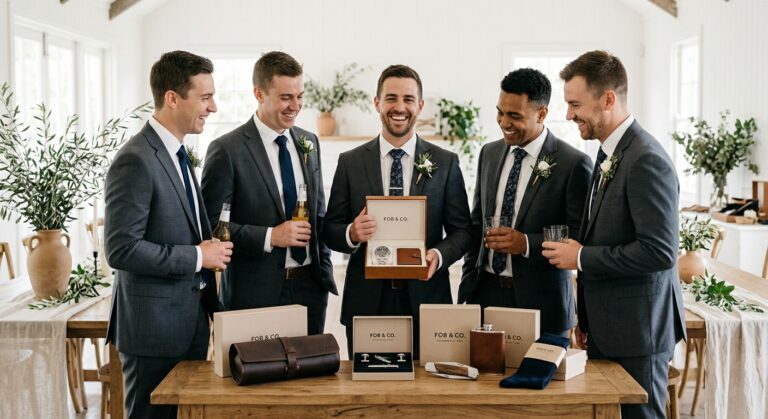
There’s a sentimental side too. A lot of pocket watches get passed down, especially the ones bought for a 50th birthday or a 60th birthday milestone. The box becomes part of the family story just as much as the watch does. If you’re buying one of our pocket watch gift ideas for a 50th birthday, the box is what the recipient opens first, and first impressions stick.
How to Choose the Right Box
Start with the watch itself, not the box. Measure the case diameter (most pocket watches sit between 40mm and 55mm) and check whether it’s an open face or hunter case. Hunter cases, especially full hunter and half hunter styles, are a touch thicker because of the hinged cover, so you need a box with enough depth that the lid doesn’t press down on the clasp.
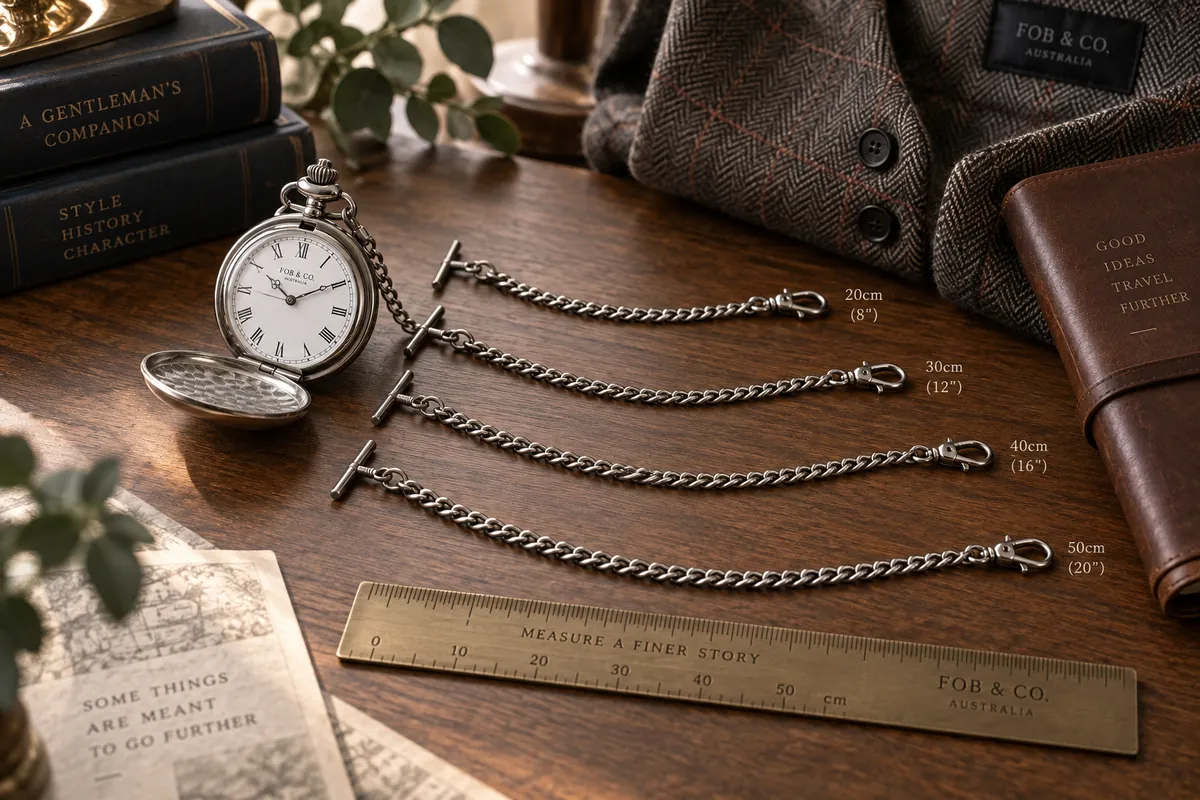
Next, think about the chain. If the watch is coming with a fob chain attached, you want a box with a recess or slot for the chain, not just a flat cushion for the watch head. A box that forces you to coil the chain under the watch will eventually scratch the case back. Our guide on pocket watch chain length is worth a read before you buy, since a longer chain (anything past 35cm) needs more storage room than a short vest chain.
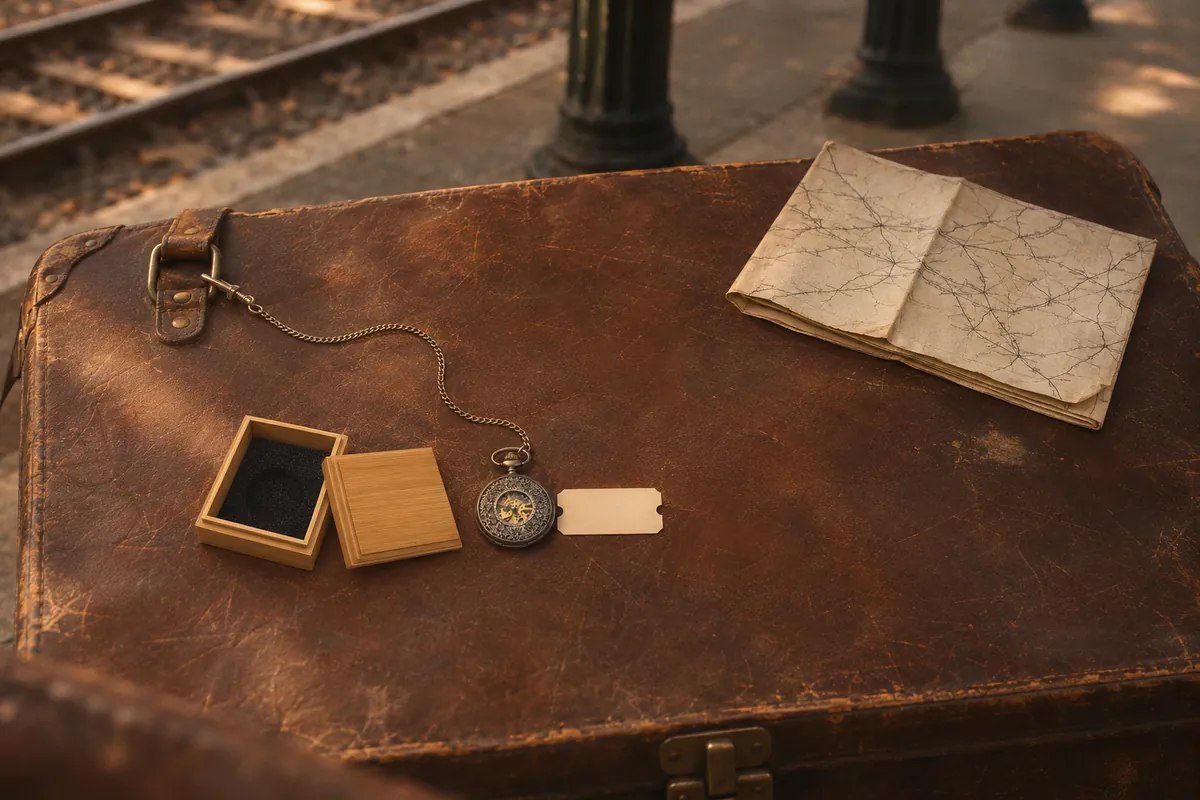
Material comes third, and this is where people get it wrong most often. Cardboard-backed boxes with a thin velour wrap look fine on a shelf but they warp in humidity and the glue in the hinges fails within a year or two. Solid timber or bamboo boxes with a proper lining hold their shape, and they’re heavy enough that the box itself feels like part of the gift.
Top Styles and Options
There isn’t one “correct” box, but a few styles come up again and again in the Australian market:
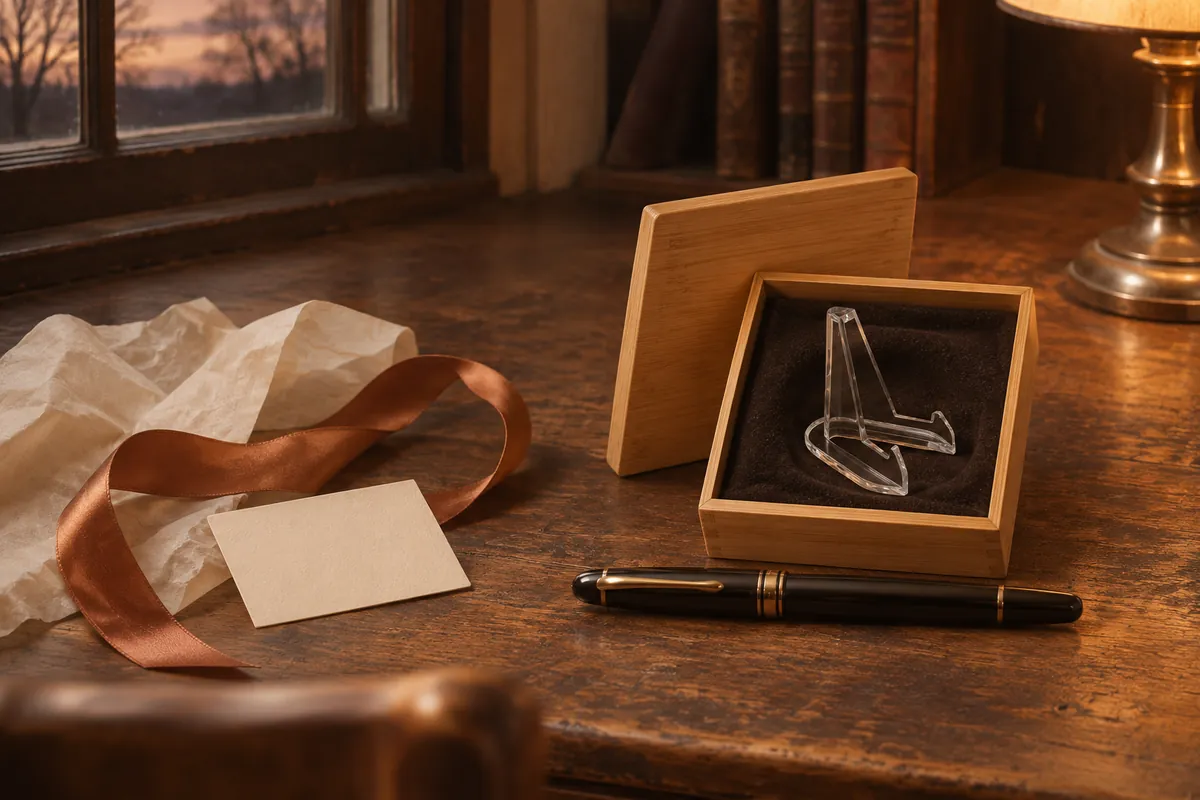
Bamboo boxes. Bamboo is dense, doesn’t warp much with humidity swings, and takes a natural finish well. It’s become the go-to for gift-grade pocket watch boxes because it looks premium without the price tag of solid hardwood. Bamboo is a grass rather than a true wood botanically, which is partly why it’s so stable and fast-growing (more on that under the references below).
Cedar-lined wood boxes. Cedar has a natural oil that helps repel moths and some insects, which matters if the box is stored alongside wool jackets or waistcoats. It’s a step up in cost but a nice option for a serious collector’s piece, or a corporate gift that needs to feel substantial.
Leather-wrapped boxes. These usually have a wood or MDF core wrapped in leather or leatherette, with a soft lining inside. They look sharp and travel well, but cheap versions can smell strongly of adhesive for the first few weeks, so give it a sniff before you commit if you’re buying in person.
Watch stands. Not technically a box, but worth mentioning. A pocket watch display stand suits a collector who wants the watch visible on a desk or mantelpiece rather than tucked away. These pair well with a box for travel and a stand for everyday display, so a lot of serious owners end up with both.
What to Consider Before You Buy
Lining fabric. Velvet looks lovely but sheds a bit of lint early on and can flatten over years of use. Suede holds its texture longer and doesn’t shed as much. Satin is common in budget boxes but it’s slippery, so the watch can slide around and knock the sides every time the box is picked up. If the box will see daily use rather than sitting in a drawer, suede or a tight-weave microfibre will outlast velvet.
Hinge quality. Cheap hinges are the first thing to fail. Push the lid open and closed a dozen times in the shop (or check reviews if buying online) and feel for any wobble. A box with a soft-close hinge, where the lid settles gently rather than slamming, is a sign of a better-made product overall.
Humidity and climate. Australia’s climate varies enormously, from humid Queensland summers to dry inland winters, and timber boxes respond to both. A well-sealed bamboo or cedar box handles these swings better than untreated softwood, which can swell, stick, or crack at the joints over a few seasons.
Purpose: gift, storage, or travel. A box for gifting a watch bought around Father’s Day or as part of a Christmas gift bundle can prioritise looks, since it’s opened once and then sits on a shelf. A travel box needs a secure clasp and a snug cushion so the watch doesn’t rattle in a suitcase. Storage-only boxes can be plainer but should still have a dust-tight lid.
Matching the watch’s age. If you’re storing an antique or vintage piece, a box with acid-free lining matters more than style. Cheap dyed fabrics can react with old brass or gold-fill cases over years of contact. Our piece on vintage vs antique vs modern reproduction pocket watches is handy if you’re not sure what era you’re actually dealing with, because the storage needs do shift a bit between a 1920s original and a modern reproduction.
Tips from the Experts
Watchmakers and collectors who’ve handled hundreds of pieces tend to agree on a handful of things that don’t get mentioned in most product listings.
First, don’t store the watch fully wound down and left ticking in a closed box for months. Letting the mainspring sit under tension indefinitely isn’t ideal for long-term storage; if it’s not being worn, let it run down naturally rather than winding it tight and shutting the lid.
Second, keep silica gel sachets out of direct contact with the case if the watch has any brass or gold-plated fittings, since prolonged contact can occasionally dull plating. A sachet tucked into a side pocket of the box, not sitting against the watch, does the job just as well.
Third, wipe the case with a soft microfibre cloth before it goes back in the box, every time. Fingerprint oils left under a velvet lining for weeks will eventually mark both the case and the fabric. Our guide on cleaning and polishing a pocket watch without damaging it covers the right cloths and products to use, which matters more once the watch is spending most of its time boxed up.
Fourth, if you’re buying as a gift, say for a 40th birthday or a work anniversary, choose a box that opens with some ceremony. A flip-top lid with a soft-close hinge and a visible display cushion makes the unboxing feel like part of the gift, not just packaging you throw away.
Frequently Asked Questions
What is the best pocket watch box guide?
There’s no single “best” box, since it depends on how the watch will be used. For gifting or display, a bamboo box with a velvet or suede lining looks premium and holds up well. For regular travel, prioritise a snug cushion and a secure clasp over looks.
How do I know which pocket watch box guide is right for me?
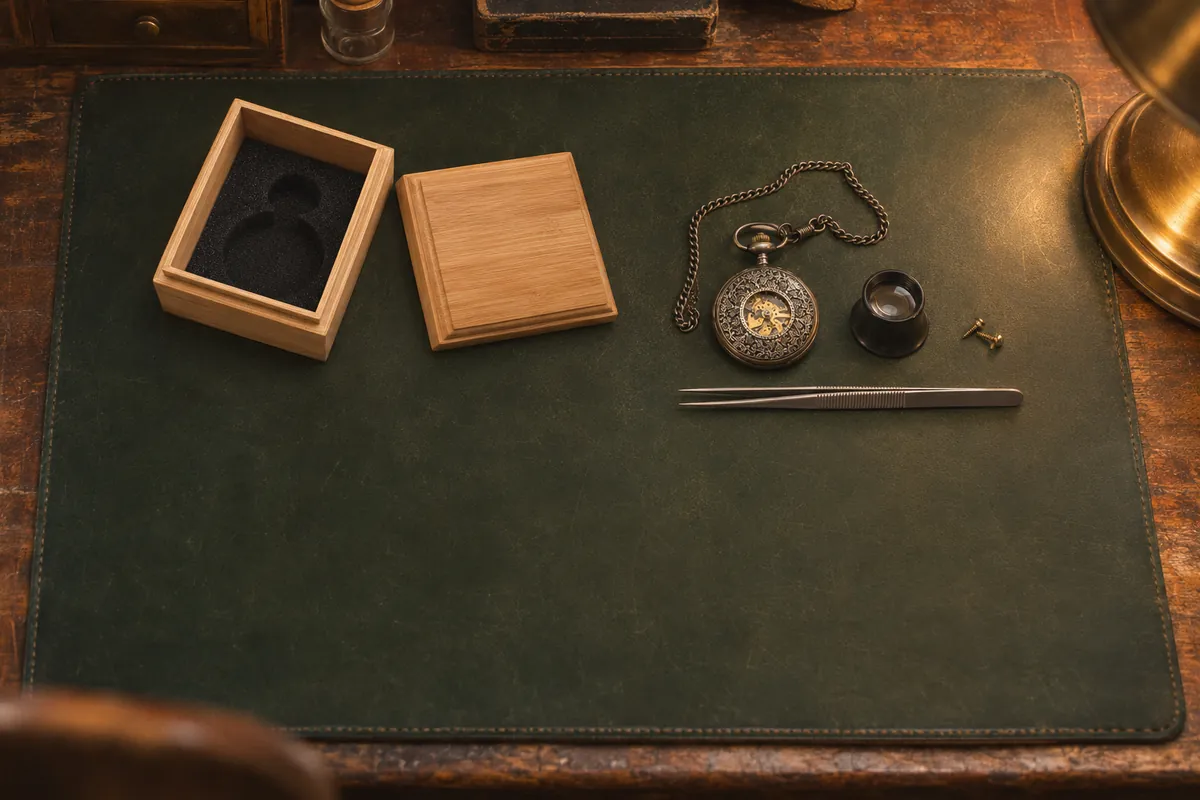
Match the box to how you’ll actually use it. A watch that gets worn regularly needs a travel-friendly box with a firm clasp, while a collector’s piece that sits on a desk suits a display stand or a deeper box with room for the chain. Measure your watch case and chain length first so you’re not guessing at sizing.
What should I look for when buying pocket watch box guide products?
Check the lining fabric (suede and tight-weave fabrics outlast loose velvet), test the hinge for wobble, and make sure there’s a dedicated space for the chain rather than one flat cushion. Solid bamboo or cedar handles Australian humidity far better than cardboard-backed options.
Are there budget-friendly pocket watch box guide options?
Yes, simple velour-lined cardboard boxes are the cheapest option and are fine for occasional storage or short-term gifting. If the watch will be handled often or stored long-term, spending a bit more on a bamboo or timber box with a stitched lining will save you from replacing a warped or split box within a year or two.